Maruti Suzuki Loading Gadi 2026: Super Carry Price
Maruti Suzuki loading gadi 2026 guide: Super Carry ex-showroom price ₹5.06 to ₹6.14 Lakh, petrol vs CNG, 630 to 750 kg payload, mileage, and availability after Feb 2025 h
Gigaixxx Desk ·
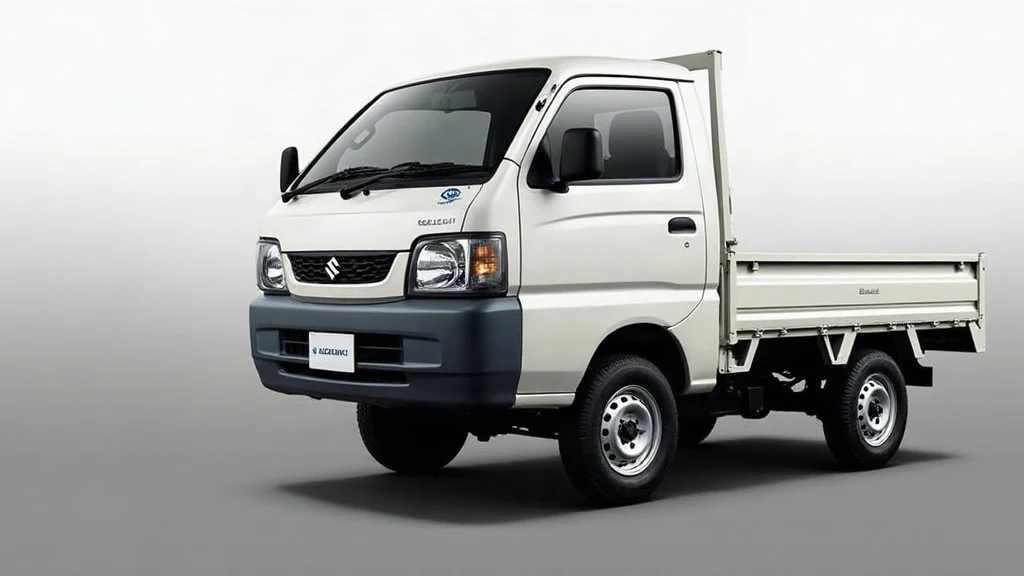
The Maruti Suzuki loading gadi, sold in India as the Super Carry mini-truck, carried an ex-showroom price of roughly ₹5.06 to ₹6.14 Lakh across its petrol and CNG variants. Maruti Suzuki discontinued the model in February 2025 to comply with updated safety norms, so new stock is now limited to dealer leftovers and the used market. This 2026 guide covers the price range, payload, engine specs, mileage, and what buyers should know before purchasing.
Maruti Suzuki Loading Gadi: Super Carry Price in 2026
The Super Carry was the most affordable Maruti Suzuki loading gadi in the company's commercial lineup. Ex-showroom pricing started at about ₹5.06 Lakh for the base petrol variant and reached around ₹6.14 Lakh for the top CNG trim. On-road prices vary by state because registration charges, insurance, and road tax differ across India.
Because the model was discontinued in February 2025, the prices below reflect the final official ex-showroom list before production stopped. Dealers with leftover stock may offer small discounts, while used examples typically sell for ₹3.5 to ₹5 Lakh depending on age, mileage, and condition.
| Variant | Fuel | Ex-showroom price (approx) |
|---|---|---|
| Super Carry base | Petrol | ₹5.06 Lakh |
| Super Carry mid | Petrol | ₹5.40 Lakh |
| Super Carry CNG | CNG | ₹5.80 Lakh |
| Super Carry top CNG | CNG | ₹6.14 Lakh |
For context on the wider Maruti Suzuki range, the company has also been expanding its passenger lineup with new models such as the Maruti Suzuki Escudo, which targets a completely different buyer than the commercial loading gadi segment.
Petrol vs CNG Variants: Which to Choose
The Super Carry came with a factory-fitted petrol engine and a bi-fuel CNG option, and the choice between them comes down to running costs versus payload. The CNG variant is cheaper to run per kilometre, which matters for daily commercial use, but it carries a slightly lower payload because the CNG cylinder adds weight.
- Petrol: lower upfront price, higher payload, easier refuelling anywhere.
- CNG: lower running cost, better for fixed daily routes, slightly reduced payload.
Small business owners who run fixed delivery routes in cities with good CNG coverage usually prefer the CNG version. Those who travel longer distances or operate in areas without CNG stations should stick with petrol.
Payload and Dimensions: How Much Can It Carry
The Super Carry offered a payload of 630 to 750 kg depending on the variant and fuel type. The petrol version carried up to 750 kg, while the CNG version carried about 630 kg due to the extra weight of the gas cylinder and mounting hardware.
The loading deck was designed for urban and semi-urban goods movement, with a flat bed that suited sacks, boxes, and small equipment. The mini-truck's compact dimensions made it easy to manoeuvre in narrow lanes and congested markets, which is why it became a common sight for vegetable, grocery, and parcel delivery.
Engine Specs and Mileage
The Super Carry used a 1.2-litre petrol engine with a displacement of 1197 cc, producing about 79 bhp. It was paired with a 5-speed manual gearbox, and the same engine ran on CNG in the bi-fuel variant.
| Spec | Detail |
|---|---|
| Engine | 1.2-litre petrol, 1197 cc |
| Power | About 79 bhp |
| Transmission | 5-speed manual |
| Payload | 630 to 750 kg |
| Mileage (petrol) | About 20 kmpl |
| Mileage (CNG) | About 27 km/kg |
Real-world mileage depends on load, terrain, and driving style. A fully loaded Super Carry returns noticeably lower figures than an empty one, so owners who run near maximum payload should budget for higher fuel consumption.
Why Was the Super Carry Discontinued?
Maruti Suzuki stopped production of the Super Carry in February 2025 because the platform could not meet updated safety norms without a costly redesign. The new crash-test and safety regulations, known as AIS-145, required commercial vehicles to meet stricter structural and occupant-protection standards, and the ageing Super Carry platform was not economical to update.
The discontinuation left a gap in Maruti Suzuki's commercial lineup. The company has focused its recent investment on passenger vehicles and electric models, including plans to expand its SUV range and production capacity in India. Suzuki Motor Corporation has outlined an investment of about ₹70,000 crore for India through FY2030-31, with a focus on expanding production capacity and new powertrains.
Toshihiro Suzuki, President of Suzuki Motor Corporation, acknowledged that competition in the Indian car market has intensified, describing the push to regain market share as the most challenging task in the company's history in India. That competitive pressure is one reason the company chose to retire older platforms like the Super Carry rather than invest in updating them.
Where to Buy a Super Carry in 2026
Since the Super Carry is no longer in production, buyers have three main options in 2026. First, check with Maruti Suzuki dealerships for leftover stock, though most dealers cleared their inventory months ago. Second, search the used market through online classifieds and local dealers, where prices typically range from ₹3.5 to ₹5 Lakh depending on condition. Third, consider alternatives from other manufacturers if you need a new loading vehicle with warranty coverage.
Before buying a used Super Carry, inspect the chassis for rust, check the engine for oil leaks, and verify the registration and insurance documents. A well-maintained example can still serve reliably for years, but a poorly maintained one will cost more in repairs than the purchase price.
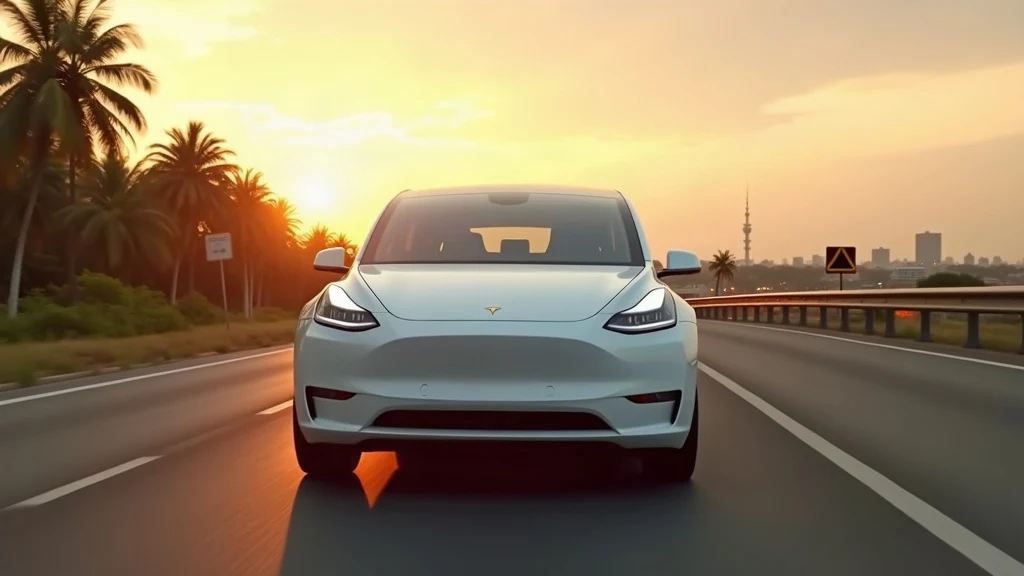
For more commercial vehicle context, see our guide to the Tesla Model Y price in India for a look at how the passenger EV market is evolving, or browse the Auto category for the latest price guides and launch news.
FAQ
What is the price of the Maruti Suzuki loading gadi?
The Maruti Suzuki Super Carry, the company's loading gadi, was priced at ₹5.06 to ₹6.14 Lakh ex-showroom before it was discontinued in February 2025. Used examples now sell for about ₹3.5 to ₹5 Lakh.
Is the Maruti Suzuki Super Carry still available in 2026?
No, Maruti Suzuki discontinued the Super Carry in February 2025 due to updated safety norms. New stock is limited to dealer leftovers, and most buyers now find the truck on the used market.
What is the payload capacity of the Super Carry?
The Super Carry carried 630 to 750 kg depending on the variant. The petrol version carried up to 750 kg, while the CNG version carried about 630 kg due to the extra weight of the gas cylinder.
What is the mileage of the Super Carry?
The Super Carry returned about 20 kmpl on petrol and about 27 km/kg on CNG under standard test conditions. Real-world figures vary with load and driving conditions.
What engine does the Super Carry use?
The Super Carry used a 1.2-litre petrol engine with 1197 cc displacement, producing about 79 bhp, paired with a 5-speed manual gearbox. The same engine ran on CNG in the bi-fuel variant.
Why did Maruti Suzuki stop making the Super Carry?
Maruti Suzuki stopped production in February 2025 because the Super Carry platform could not meet the updated AIS-145 safety norms without a costly redesign that was not considered economical.
Next story

Royal Enfield Continental GT 650 for Sale: 2026 Prices & Guide
Find Royal Enfield Continental GT 650 for sale with 2026 ex-showroom and on-road prices. Compare new and used options, and know what to check before buying.